
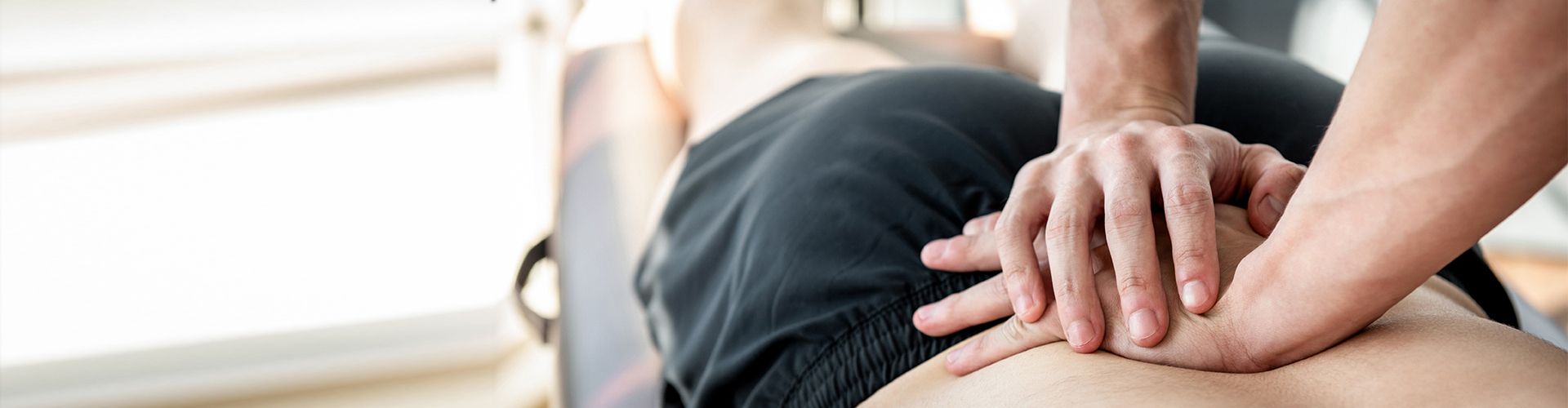
Animal Chiropractic
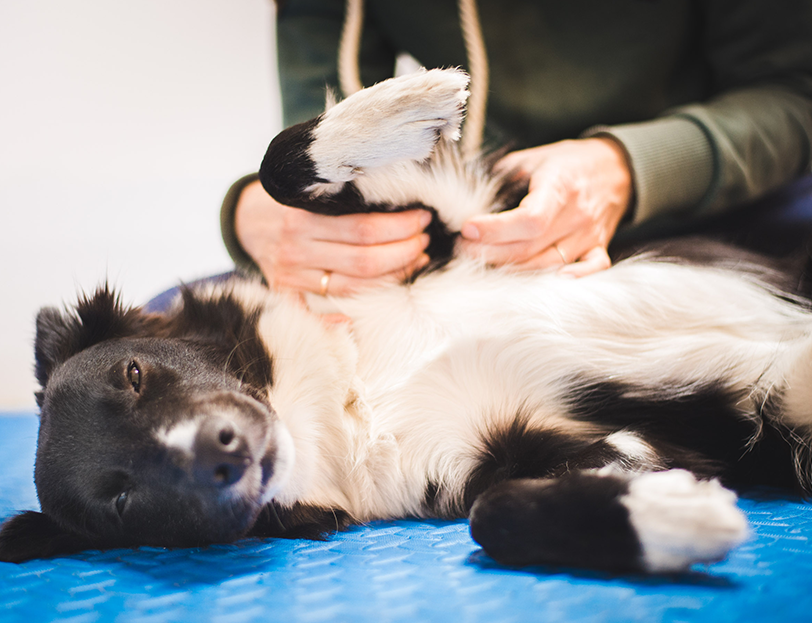
About Animal Chiropractic
Animal chiropractic focuses on the neuromusculoskeletal system, using spinal and extremity adjustments to correct joint dysfunction in animals like dogs, cats, and horses, aiming to relieve pain, improve mobility, and restore function by ensuring proper joint mobility, optimal muscle function, and nerve flow, often complementing traditional veterinary care. It's a drug-free, hands-on therapy for joint/soft tissue issues, typically performed by certified professionals (AVCA/IVCA) to address stiffness, poor performance, or behavioral changes linked to spinal or extremity restrictions.
Core Function & Benefits
Animal chiropractic aims to correct joint dysfunction or restricted movements in the spine and extremities. Key benefits for animals include:
Pain Relief: Reducing discomfort in the neck, back, legs, and tail.
Improved Mobility: Increasing range of motion and flexibility, which is especially helpful for senior pets or those with arthritis.
Enhanced Performance: Improving coordination and endurance for working and athletic animals (e.g., agility dogs or performance horses).
Better Nerve Function: Restoring communication between the brain and body systems, which can aid issues like digestion or incontinence.
What it is:
Adjustments: Gentle, precise manipulations used to correct joint restrictions, similar to human chiropractic, but tailored for the animal.
Non-surgical & drug-free: A complementary treatment to improve range of motion and reduce pain.
Who it helps:
Commonly treated: Dogs, cats, horses, cows, and even goats/llamas.
Signs it might be needed: Stiffness, reluctance to jump, uneven gait, poor performance, or changes in behavior.
Common Conditions Treated
Chiropractic care is frequently used for:
Age-related issues: Stiffness, muscle loss, and balance problems in senior dogs.
Chronic conditions: Hip dysplasia, intervertebral disc disease (IVDD), and osteoarthritis.
Acute injuries: Recovery from slips, falls, or trauma.
Behavioral changes: Sudden aggression or reluctance to play/jump, which may signal underlying physical pain.
Important considerations:
Works with veterinarians: It's not a replacement for veterinary medicine; referrals are often required.
Certification matters: Look for chiropractors certified by the American Veterinary Chiropractic Association (AVCA) or the International Veterinary Chiropractic Association (IVCA).
Practitioner Qualifications & Standards
Because animal anatomy differs significantly from humans, it is critical to use a certified professional.
Professional Background: Practitioners must first be a licensed Doctor of Chiropractic (D.C.) or Doctor of Veterinary Medicine (D.V.M.).
Specialized Training: They must complete over 200 hours of postgraduate training in animal chiropractic.
Certification Bodies: Major recognized credentials include the American Veterinary Chiropractic Association (AVCA) and the International Veterinary Chiropractic Association (IVCA).
Legal Requirements: In many regions, a referral or supervision from a primary veterinarian is required before a chiropractor can treat an animal.
Integration with Traditional Care
Chiropractic care is intended to complement, not replace, traditional veterinary medicine. It works best as part of an integrative health plan that may include medications, surgery, or physical therapy.


© 2026 Columbia Chiropractic and Massage . All rights Reserved. Accessibility Statement | Sitemap
Powered by: